
Madame Bovary, Gemma and Ema: the Adulteress and her Daughters
| Module Code: FR272 |
|---|
| Module Name: Madame Bovary, Gemma and Ema: the Adulteress and her Daughters |
| Module Coordinator: Dr Margaux Whiskin |
| Term 2 |
| Module Credits: 15 |
This module can be taken by students who do not master the French language, as the primary sources are available in translation and there exists a sufficient number of secondary sources in English.
Module description
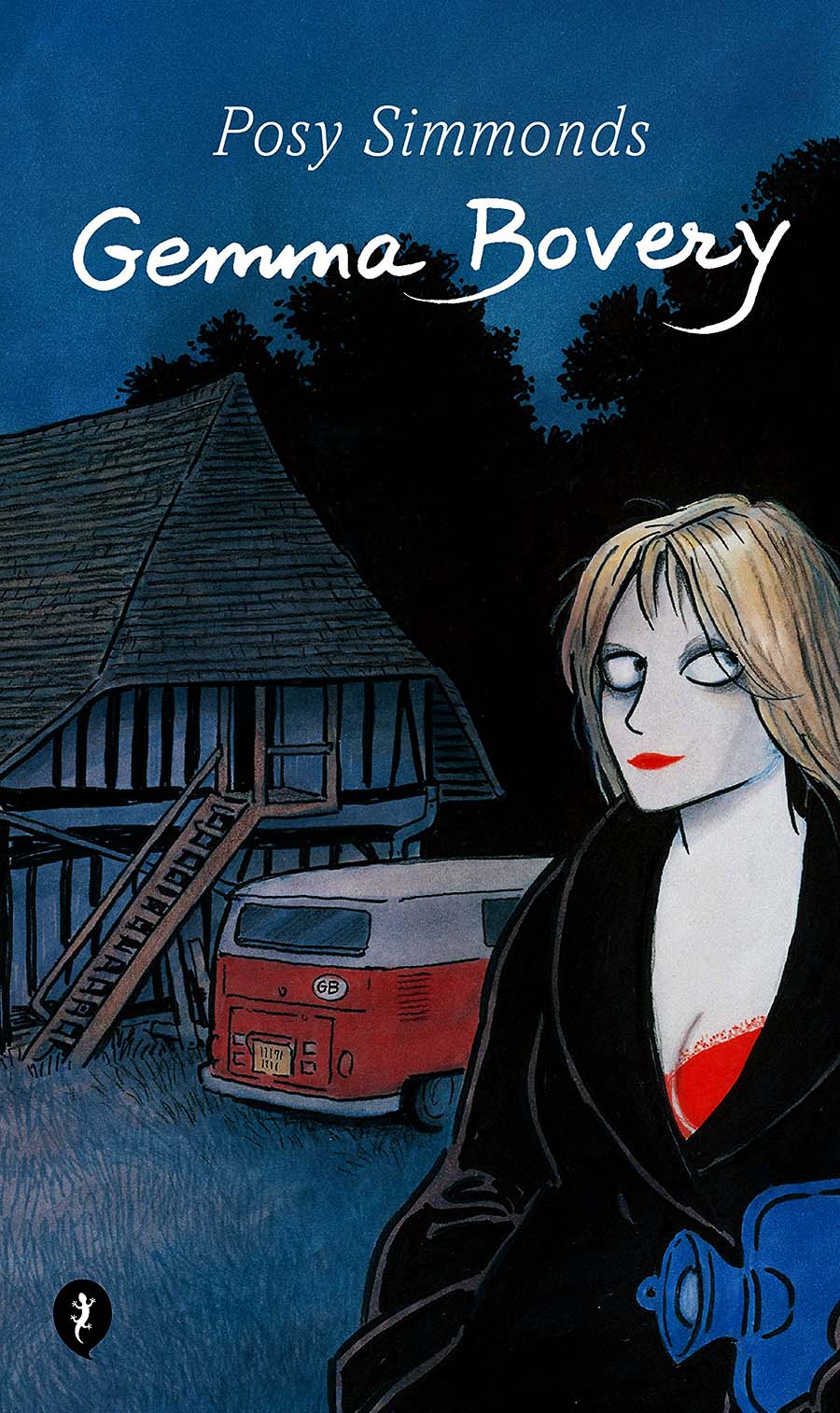
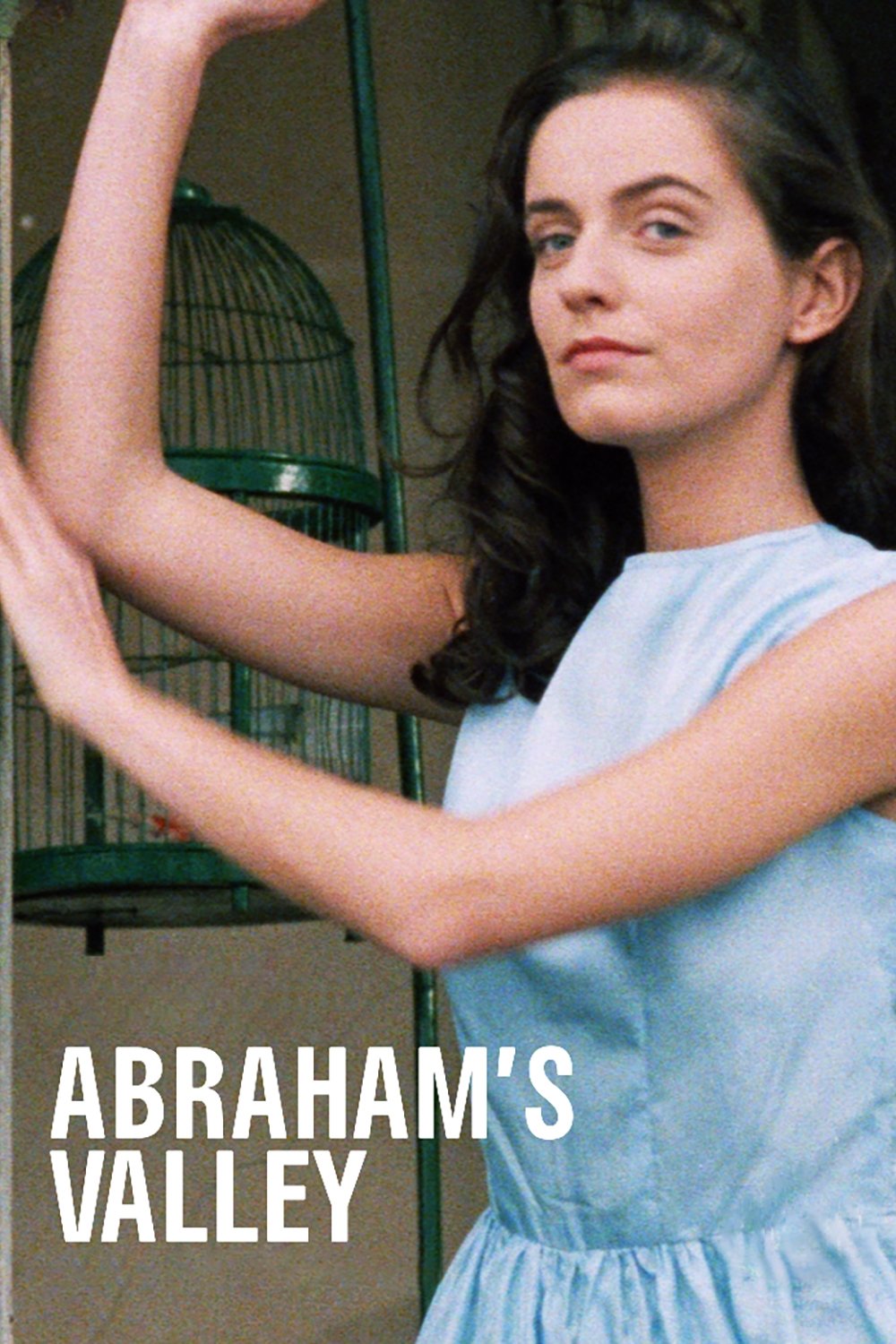
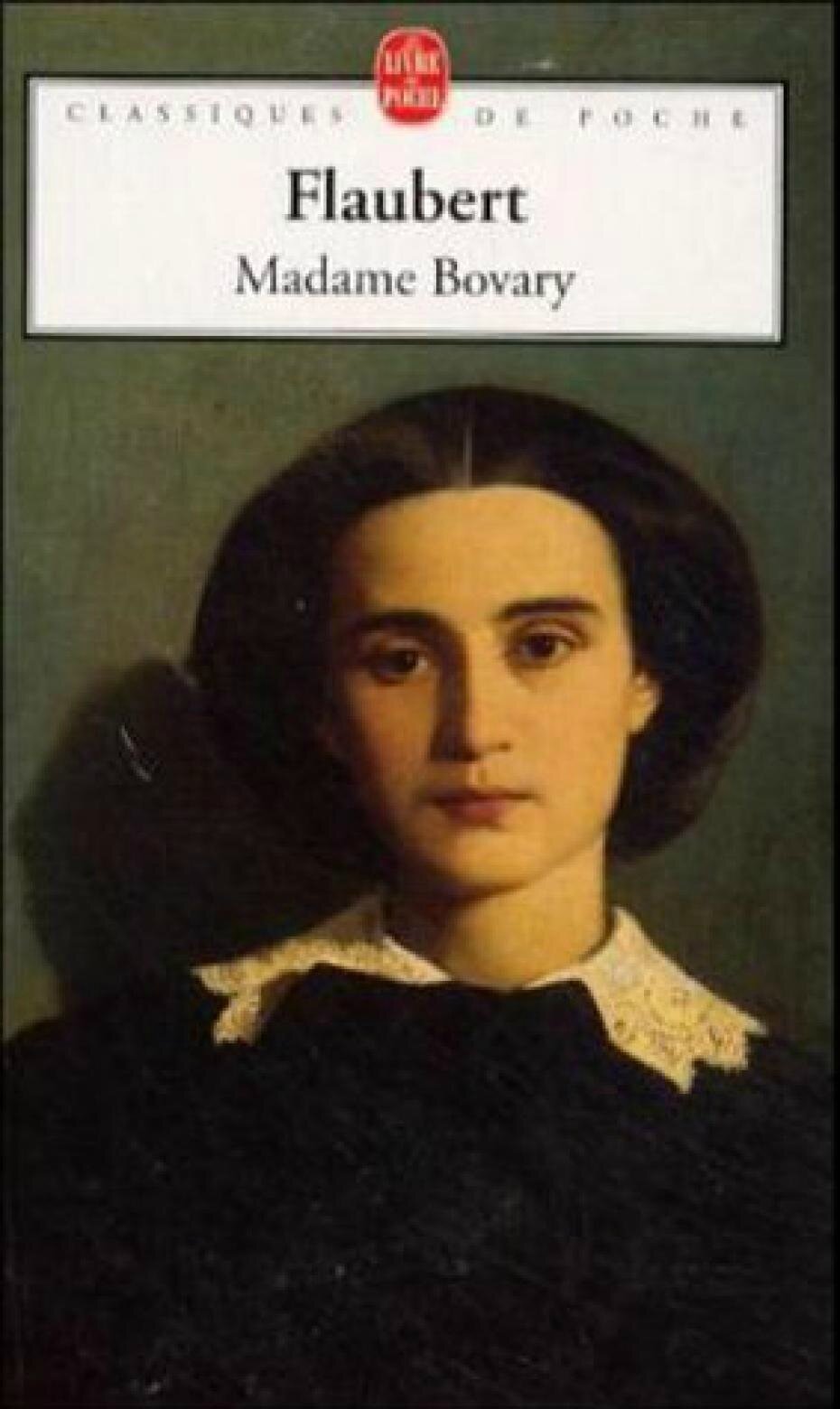
This module will offer a deep dive into Flaubert's masterpiece, Madame Bovary and its literary circulation. We will examine how Romantic readings, such as Chateaubriand's 搁别苍茅, shape Emma and her expectations, but also how in turn she is reincarnated in the twentieth century in the Portuguese housewife Ema Pavia, in Manoel de Oliveira's 1993 film Abraham's Valley, and the British interior designer Gemma Bovery in Posy Simmonds' 1999 graphic novel of the same name.
|
|
 |
 |
In this module, we will
- examine in depth Flaubert's novel by equipping you with the necessary literary analytical skills (narratorial voice, description, imagery, pattern, etc)
- reflect on how intertextuality operates by looking at Romanticism through 搁别苍茅 and how it has been (mis-)understood by the characters in Madame Bovary, and introduce Genette's notion of transposition through Gemma Bovery and Abraham's Valley
- through comparative close reading, examine the tools specific to each genre (novel, graphic novel and film) and the impact of changing context on characterisation and the treatment of key themes.
Reading List:
- Chateaubriand, Atala, 搁别苍茅, Les aventures du dernier Abenc茅rage (Paris: Flammarion, 1996)
- Flaubert, Gustave, Madame Bovary (Paris: Gallimard, 2001)
- Simmonds, Posy, Gemma Bovery (London: Jonathan Cape, 2000)
- de Oliveira, Manoel, Abraham's Valley (1993). Available for free online at: . Click the 'cc' icon to get the English subtitles.
- Chateaubriand, 搁别苍茅, translated by A. S. Kline (London: Poetry in Translation, 2015). Also available for free online at:
- Flaubert, Gustave, Madame Bovary, translated by Margaret Mauldon (Oxford: Oxford University Press, 2008)
When?
In term 2, times and room to be confirmed
How?
Lectures and seminars will be face-to-face
Assessment Method:
- Comparative commentary (50%): 1750-2000 words. Students compare a section from Flaubert's Madame Bovary with another section from one or several primary sources seen in the course of the module. The sections to compare will be chosen by students in discussion with the module convenor, or chosen from a list
- Student-devised assessment (50%): Students will produce a piece of creative writing, nominally 500 -words long (can also be in audiovisual format) which offers a transposition of Flaubert's Madame Bovary and which should
be in connection with the comparative commentary. Students are required to write a 1750-2000-word reflective essay on this creative production. It is the reflective essay which is marked, not the creative production.